
Corns and Calluses
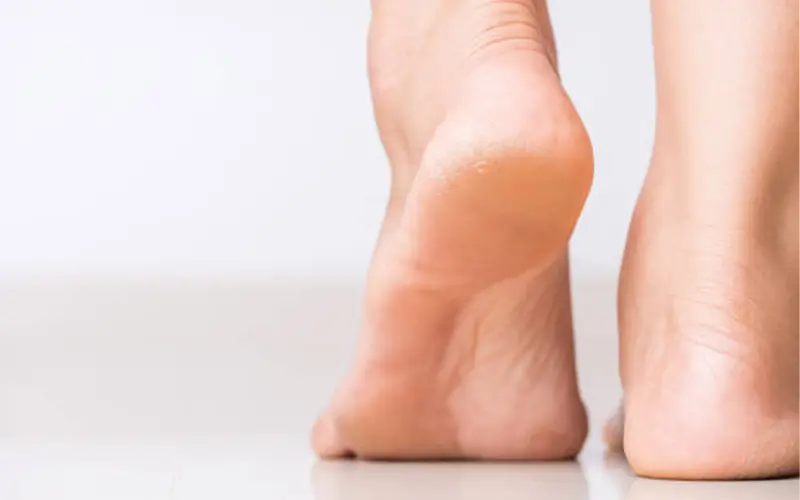
Corns and calluses are areas of thickened skin that form where your feet experience repeated friction or pressure. They are your skin’s way of protecting itself, but they can become painful and, for some people, lead to more serious problems. At Upperline Health, our podiatry team safely removes corns and calluses and helps you address what is causing them in the first place.
The safest way to get rid of a corn or callus is to have the thickened skin removed by a provider and then relieve the pressure causing it. That matters even more if you have diabetes, because cutting or over-treating them at home can lead to injury or infection.
What Are Corns and Calluses?
Both are thickened skin caused by pressure and rubbing, but they differ in a few ways:
• Corns are smaller, with a hard or soft center, and usually form on or between the toes; they can be painful.
• Calluses are larger, flatter patches that usually form on the soles or heels and are often not painful.
Calluses form when an area of skin is rubbed or pressed repeatedly. Common causes include tight or ill-fitting shoes, foot deformities like bunions or hammertoes, going without socks, and the way you walk. They usually do not go away on their own while that pressure continues.
Why Corns and Calluses Matter for Diabetic Feet
For most people, corns and calluses are mainly a comfort issue. But if you have diabetes or reduced circulation, thickened skin can break down and turn into a sore or ulcer that is slow to heal. If you have diabetes, do not try to cut or treat corns and calluses at home; have them managed by a provider. Learn more about diabetic foot care.
A Connected Approach to Care
At Upperline Health, your corn and callus care is part of one connected team. Our podiatry providers work alongside the doctors you already see, so your foot health is coordinated with the rest of your care rather than treated in isolation.
Through Upperline Plus, you also have an extra layer of support between visits, helping you stay on track with your plan and get answers when you need them. You do not have to manage this on your own.
Treatment Options for Corns and Calluses
Treatment focuses on safely removing the thickened skin and relieving the pressure that caused it, so the problem does not simply return. Your provider may recommend:
• Professional debridement: careful trimming of the corn or callus by a provider, which is safer and more effective than at-home removal.
• Padding and protection: pads or cushioning to take pressure off the area while it heals.
• Custom orthotics: inserts that redistribute pressure and correct the mechanics causing the buildup.
• Footwear guidance: better-fitting shoes with more room to reduce friction.
• Treating the underlying cause: addressing bunions, hammertoes, or gait issues so corns and calluses are less likely to come back.
Avoid medicated corn pads and at-home cutting, especially if you have diabetes or circulation problems, as these can cause injury or infection.
What to Expect From Your Care
Your provider will examine the affected skin, ask about your footwear and symptoms, and check for any underlying foot conditions. Most corns and calluses can be treated comfortably in the office, and you will get guidance on preventing them from returning. If a structural problem is the cause, your provider will discuss longer-term options.
Why Choose Upperline Health
Patients choose Upperline Health for foot and ankle care because it is focused, coordinated, and built around you. Our podiatry providers diagnose and treat corns and calluses regularly, and our connected care model means your foot health is considered alongside the rest of your health.
With locations across a growing network in 25 states, expert care is available close to home, with the added support of Upperline Plus between visits.
Meet Our Podiatry Providers
Your corn and callus care is delivered by experienced podiatry providers who diagnose and treat foot and ankle conditions every day. Find a provider to learn more about our team, or explore our foot & ankle specialties.
Find Corns and Calluses Care Near You
Upperline Health offers foot and ankle care at locations across a growing network in 25 states. Use our location finder to find a clinic near you and schedule a visit with a podiatry provider.
Schedule an Appointment
Have questions or ready to get started? Our care team is here to help. Schedule an appointment at a location near you, or contact us with any questions.
Frequently Asked Questions
The safest, longest-lasting way is to have the thickened skin removed by a provider and then relieve the pressure causing it, with better-fitting shoes, padding, or custom orthotics. At-home filing or medicated pads can help mild cases for some people, but they do not fix the underlying cause, and they are not safe if you have diabetes or poor circulation.
Corns are smaller with a hard center and usually form on or between the toes; calluses are larger, flatter, and usually form on the soles or heels.
Usually not while the pressure that caused them continues. They tend to stay or get thicker until the friction is relieved or the skin is removed, which is why treating the cause matters.
It is best not to cut them yourself, and you should avoid medicated corn pads, especially if you have diabetes or poor circulation. A provider can remove them safely.
They return when the underlying pressure remains. Addressing footwear, orthotics, or a structural issue like a bunion or hammertoe helps prevent them.
See a provider if a corn or callus is painful, growing, or not improving, or right away if you have diabetes or circulation problems.
You do not need a referral to see our podiatry team. However, your insurance may require a referral to use your benefits, so we recommend checking with your insurance carrier before your visit.
Contact one of our Upperline Health clinics to get your Corns and Calluses treatment started.
Treatments offered may vary by clinic.