
The Importance of Vascular Screening for Circulatory Health
Your arteries and veins work around the clock, moving blood throughout your body. When circulation problems begin to develop, symptoms are not always obvious right away. In some cases, vascular disease can progress quietly until it starts affecting your comfort, mobility, wound healing, or overall health.
Vascular screening can help identify circulation issues early, before they become more serious. For people with risk factors such as diabetes, high blood pressure, high cholesterol, or age-related vascular changes, screening may play an important role in detecting problems that can contribute to peripheral artery disease, poor healing, and foot or leg ulcers.
What Is Vascular Screening?
A vascular screening is a painless, non-invasive test that checks your blood vessels and arteries for plaque buildup, blockages, or aneurysms. The screening helps detect risks for conditions like stroke, heart attacks, and peripheral artery disease (PAD) before symptoms appear, often when treatment can make the biggest difference.
Think of it like a checkup for your plumbing. Instead of looking at your heart directly, vascular screening focuses on the highways that carry blood throughout your body. The tests typically use ultrasound technology and blood pressure measurements to evaluate arteries in your neck, abdomen, and legs.
Why Vascular Screening Matters for Circulatory Health
Your circulatory system delivers oxygen and nutrients to every part of your body. When arteries become narrowed or blocked, that delivery slows down. The effects can show up in unexpected places, especially your feet and legs.
Vascular screenings look for three main problems:
● Plaque buildup in the carotid arteries: Narrowing in the neck arteries that supply blood to your brain, which raises stroke risk
● Abdominal aortic aneurysm (AAA): A bulge in the body’s largest artery that can rupture without warning
● Peripheral artery disease (PAD): Reduced blood flow to the legs and feet, which can cause pain with walking, slow healing, and in severe cases, lead to amputation
The challenge is that early-stage vascular disease rarely announces itself. You might not notice anything wrong until the condition has progressed significantly. Screening offers a way to look under the hood before warning lights start flashing.
Who Should Consider a Vascular Screening?
Vascular screening isn’t necessary for everyone. However, certain groups benefit significantly from early evaluation. If you fall into one of the categories below, a conversation with your multi-specialty Upperline clinicians (podiatrists and primary care) about screening may be worthwhile.
People With Diabetes
Diabetes affects blood vessels throughout the body and significantly increases the risk of PAD. High blood sugar damages the inner lining of arteries over time, making plaque buildup more likely.
Diabetes can also reduce sensation in the feet. Circulation problems may go unnoticed until wounds develop or fail to heal properly. Regular vascular screening helps catch changes early, before they become harder to manage.
Older Adults and Adults Over 50 With Risk Factors
Age alone increases vascular disease risk. When combined with other factors, that risk climbs higher. Most experts recommend considering screening if you are:
● Age 60 or older
● Age 50 or older with a history of smoking, high blood pressure, high cholesterol, or family history of heart disease
● Over age 40 with diabetes
Smoking deserves special mention here. It’s one of the strongest risk factors for PAD. Even former smokers carry elevated risk for years after quitting.
People With Symptoms of Poor Circulation
If you’ve noticed leg pain when walking that improves with rest, coldness in one foot or leg, slow-healing sores on your feet, or changes in skin color, these may be signs of reduced blood flow. Vascular screening can help determine whether circulation problems are contributing to your symptoms.
How Vascular Screening Helps Detect PAD Early
Peripheral artery disease is one of the most common vascular conditions, yet it often goes undiagnosed. Screening offers a straightforward way to identify PAD before it progresses to more serious stages.
What Is Peripheral Artery Disease (PAD)?
PAD occurs when fatty deposits called plaque build up in the arteries that supply blood to your legs and feet. As the arteries narrow, blood flow decreases.
Common signs of PAD include:
● Leg pain or cramping during walking that eases with rest
● Numbness or weakness in the legs
● Coldness in the lower leg or foot, especially compared to the other side
● Sores on the feet or legs that heal slowly or not at all
● Shiny skin on the legs or changes in skin color
Left untreated, PAD can progress to critical limb ischemia, a severe blockage that may result in tissue death. At that point, amputation sometimes becomes necessary.
Early screening and treatment can change that trajectory dramatically. Lifestyle modifications, medications, and in some cases procedures to restore blood flow can help preserve limb function and quality of life.
What Tests May Be Used During a Vascular Screening?
Vascular screenings typically combine several non-invasive tests. The specific tests depend on your risk factors and what your care team wants to evaluate.
Vein Ultrasound
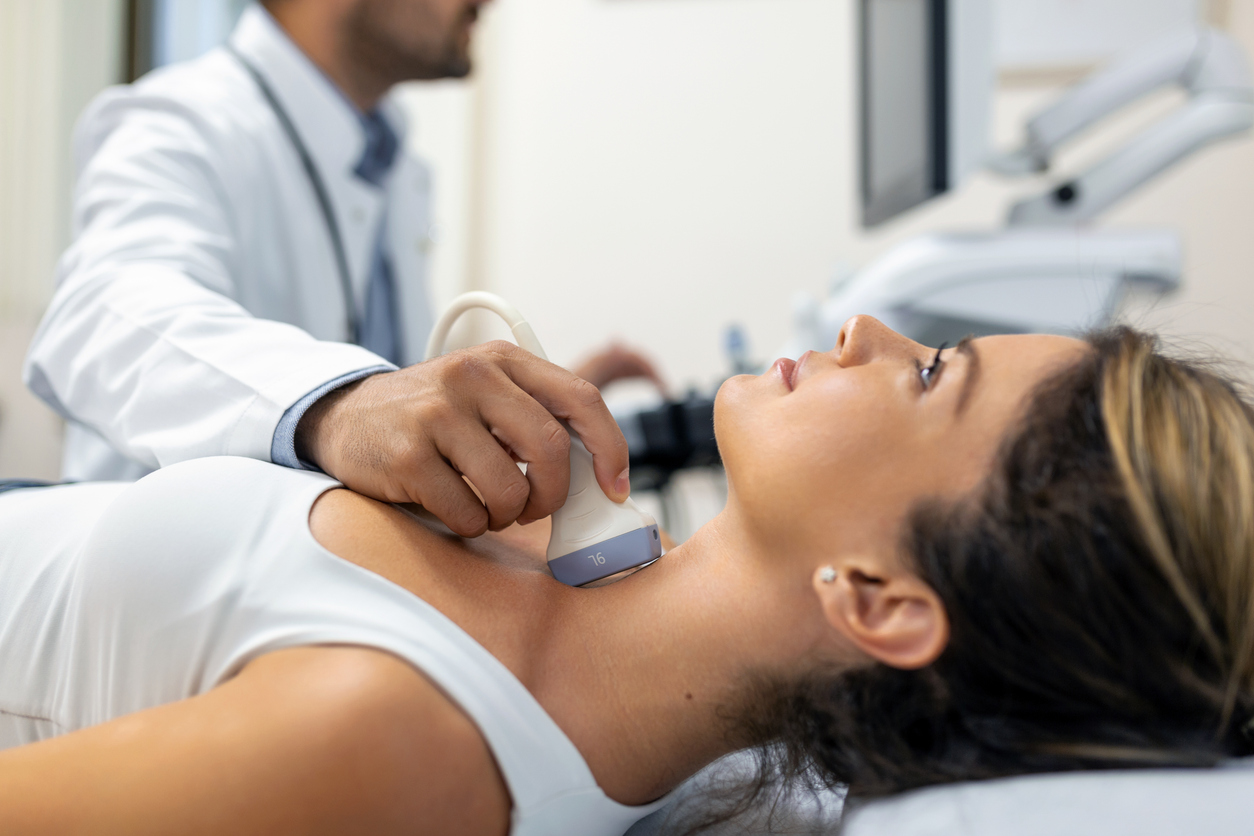
Ultrasound uses sound waves to create images of blood vessels and measure blood flow. During the test, a technician applies gel to your skin and moves a handheld device called a transducer over the area being examined.
Ultrasound can evaluate:
● Carotid arteries in the neck
● The abdominal aorta
● Arteries and veins in the legs
The test is painless, uses no radiation, and provides real-time images of how blood moves through your vessels.
Arterial Evaluation and Blood Flow Testing
The ankle-brachial index (ABI) is a simple test that compares blood pressure in your ankle to blood pressure in your arm. A lower reading in the ankle suggests reduced blood flow to the legs, which is a hallmark sign of PAD.
| Test | What it evaluates | How it works |
| Carotid ultrasound | Arteries in the neck | Sound waves create images of blood flow |
| Abdominal aortic ultrasound | Aorta in the abdomen | Measures size and detects aneurysms |
| Ankle-brachial index (ABI) | Leg circulation | Compares blood pressure in arms and ankles |
All of these tests are quick and comfortable. Most people describe the experience as similar to having their blood pressure taken.
Benefits of Vascular Screening for Long-Term Health
Finding vascular disease early opens the door to treatments that can protect your health for years. The benefits extend well beyond the screening appointment itself.
● Prevention of serious events: Identifying carotid artery disease early can help prevent stroke. Detecting an abdominal aortic aneurysm before it ruptures can be lifesaving.
● Limb preservation: For people with PAD, early treatment helps maintain blood flow to the legs and feet, reducing the risk of wounds, infections, and amputation.
● Informed decision-making: Screening results give you and your care team a clearer picture of your cardiovascular health, which allows for more personalized recommendations to avoid heart attacks.
● Baseline for comparison: Even if your results are normal, you now have a reference point for future screenings.
For patients managing diabetes or other chronic conditions, vascular screening fits naturally into a care plan focused on long-term health.
When to Schedule a Vascular Screening
If you have risk factors for vascular disease, screening is worth discussing with your care team. The same applies if you’ve noticed symptoms like leg pain, foot wounds that won’t heal, or changes in skin color or temperature.
Many patients find it helpful to schedule vascular screening as part of routine preventive care, similar to cholesterol checks or blood pressure monitoring. Your podiatrist and Upperline Plus nurse practitioner can help determine the right timing and frequency based on your individual health profile.
Protect Your Circulatory Health With Early Vascular Screening
Vascular disease often develops quietly, without obvious symptoms, until it reaches an advanced stage. Screening offers a simple, painless way to check on your circulatory health and catch problems when they’re most treatable.
Whether you’re managing diabetes, have a history of smoking, or simply want to stay ahead of potential issues, vascular screening can provide valuable insight. At Upperline Health, our multi-specialty care team, including podiatrists and primary care specialists (Upperline Plus), focuses not only on protecting your foot and leg health, but on supporting your overall health, including your heart and kidneys.
Find a clinic near you and call to make an appointment today. Taking this step now can help you stay active and comfortable for years to come.
Frequently Asked Questions About Vascular Screening
Preparation depends on which tests are included. If your screening involves an abdominal ultrasound, you may be asked to fast for four to six hours beforehand. Fasting improves image quality by reducing gas in the abdomen. Wear comfortable, loose-fitting clothing that allows easy access to your arms, legs, and abdomen. Your care team will provide specific instructions when you schedule.
No. Vascular screening is non-invasive and painless. Ultrasound tests involve only gentle pressure from the transducer, and the ankle-brachial index uses standard blood pressure cuffs. There are no needles or injections involved.
This depends on your insurance plan and the facility where you receive care. Some patients can schedule screenings directly, while others may need a referral from a primary care provider. Upperline Health clinics can help you understand your options and navigate the scheduling process.
Most vascular screenings take about 30 minutes, though this can vary depending on how many tests are performed. You can typically return to normal activities immediately afterward.
Latest Posts
- Diabetes Management: Coordinated Care Between Endocrinologist and Podiatrist
by Upperline Health - Integrating Mental Health and Chronic Care for Better Outcomes
by Upperline Health - The Role of Comprehensive Primary Care in Preventive Health
by Upperline Health
Top Blog Topics
- Podiatry (42)
- Conditions (35)
- Provider Advice (34)
- Healthy Habits (21)
- Surgery (9)
- Provider Spotlight (8)
- Injuries (7)
- Sports Medicine (7)
- Surgical Alternatives (7)
- Company News (6)
- Diabetes Management (6)
- Upperline Plus (5)
- Pediatrics (4)
- Chronic Care (3)
- Elder Advice (3)
- Running (3)
- Vein Conditions (3)
- Endocrinology (2)
- Nurse Support (2)
- American Podiatric Medical Association (1)
- Social Work (1)
- Wound Care (1)
Blog Archives