

“At-Risk Foot Care?” A Frequently Asked for Service

Upperline Health’s Approach to Better Foot Care
When most people hear the word pedicure, they think of cosmetic nail care or a spa experience. But for many patients, especially seniors, people living with diabetes, and individuals with limited mobility, foot care is a medical necessity, not a luxury. To a podiatric physician (DPM), a pedicure is something you get in a salon. There is medical foot care and at-risk foot care. Not something the DPM takes lightly nor considers as simple as a “pedicure”.
That is where podiatric medical care for the skin, nails and associated structures comes in. It is often for patients at such risk they could lose a limb if simply having a “pedicure”.
At Upperline Health, Podiatric Physicians perform at-risk foot care as part of comprehensive foot and ankle care. These services focus on relieving pain, preventing complications, and helping patients stay mobile and independent. For patients who cannot safely manage their feet and toenails on their own, at-risk foot care plays an important role in maintaining comfort and overall health.
What is At-Risk Foot Care?
At-risk foot care is a clinical foot-care service performed by a Podiatric Physician or trained medical professional. Unlike cosmetic pedicures, at-risk foot care is designed to protect foot health, address underlying conditions, and reduce the risk of infection or injury.
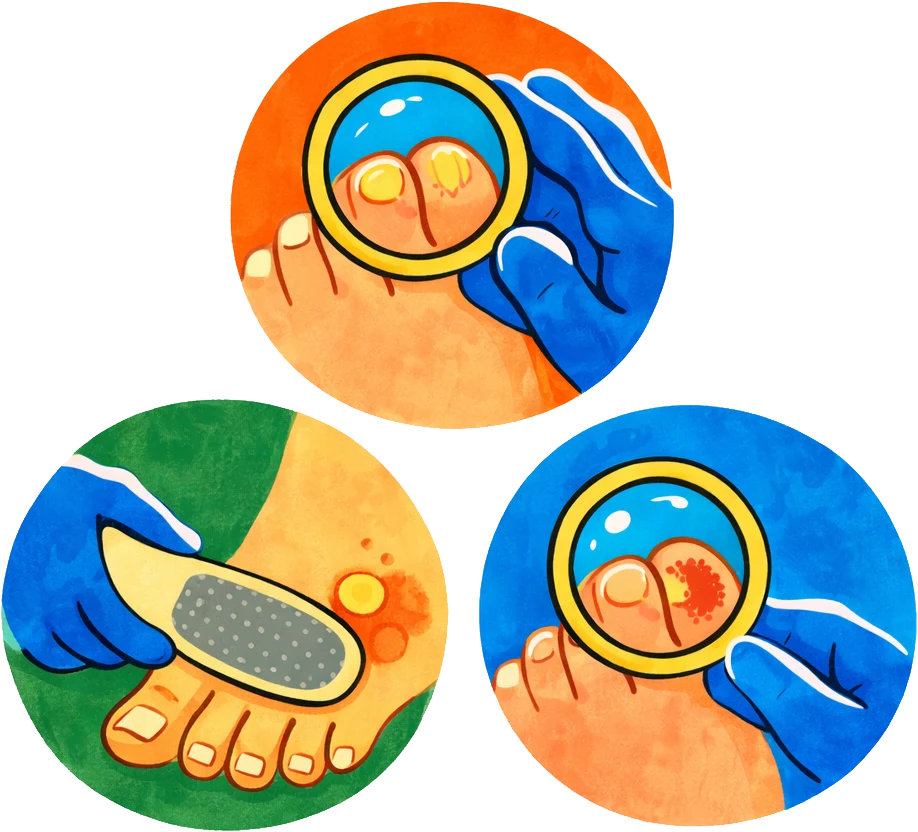
During an at-risk foot care appointment, the physician carefully trims and manages toenails, treats thickened or painful nails, reduces calluses and corns, and evaluates the skin and nails for signs of infection, pressure, or circulation issues. All care is performed using medical-grade instruments in a sterile environment, with a clear understanding of foot anatomy and each patient’s health history. For many patients, this level of care simply cannot be replaced by at-home grooming or salon services.
Why Upperline Health Podiatric Physicians Perform At-Risk Foot Care?
Upperline Health Podiatric Physicians see every day how quickly minor foot issues can turn into painful or serious problems when left unmanaged. Thick nails can press against shoes and cause pain. Calluses can lead to skin breakdown. Small nail injuries can become infections, especially in patients with chronic conditions.
At-risk foot care allows physicians to address these concerns early, while also monitoring overall foot health. It helps reduce discomfort, improve mobility, and prevent avoidable complications. Just as importantly, they give physicians the opportunity to identify early warning signs of more complex foot or ankle issues and intervene before they worsen.
In short, at-risk foot care is preventive care—and prevention is always better than treatment.
Who Turns to At-Risk Foot Care—and Why
Many people benefit from professional foot care, but certain populations rely on at-risk foot care appointments to maintain comfort and safety.

Seniors often experience thickened, brittle toenails and reduced flexibility that makes self-care difficult. Vision changes and balance concerns can also increase the risk of injury when trimming nails at home. At-risk foot care helps relieve pain, reduce fall risk, and support continued independence.
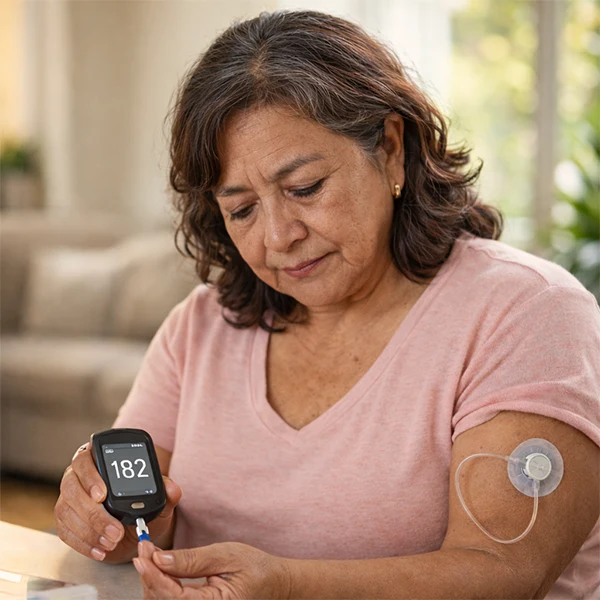
People with diabetes frequently turn to at-risk foot care because diabetes can affect sensation and circulation in the feet. Even minor cuts or improperly trimmed nails can lead to infections or slow-healing wounds. Professional care ensures nails and skin are managed safely while allowing for ongoing monitoring of diabetic foot health.

Patients with limited mobility—whether due to arthritis, joint pain, neurological conditions, or recent surgery—may find routine foot care physically challenging. At-risk foot care relieves discomfort caused by overgrown nails and calluses make walking and daily movement more manageable.
Pedicures are a widely used self-care and grooming service in the U.S. Roughly 36% of respondents reporting they get a pedicure regularly as a form of self-care.1
Simple Ways Patients Can Support Better Foot Health
While professional care is essential for many patients, everyday habits also play an important role in foot health. Regularly inspecting your feet for redness, swelling, skin changes, or nail discoloration can help catch problems early. Keeping feet clean and dry reduces the risk of fungal and bacterial infections, especially between the toes.
Wearing properly fitted, supportive shoes can prevent pressure points that lead to calluses, corns, and nail problems. Patients who are at higher risk—such as those with diabetes or circulation issues—should avoid trimming nails on their own and rely on professional care instead. Most importantly, scheduling routine at-risk foot care helps keep foot issues under control before they interfere with comfort or mobility.
Top 5 Reasons Patients Visit Upperline Health Clinics
Patients seek foot care from Upperline Health Podiatric Physicians for many reasons, but the most common include:
1
Painful or thickened toenails
that make walking or wearing shoes uncomfortable
2
Ingrown toenails
that cause inflammation, infection, or persistent pain
3
Calluses and corns
that interfere with mobility and signal pressure issues
4
Diabetic foot care
focused on prevention, monitoring, and early intervention
5
Foot pain that limits daily activity,
including heel, arch, or toe pain
At-risk foot care often plays a role in managing or preventing many of these concerns.
Why Consistent Foot Care Matters All Year Long
Foot problems don’t follow a seasonal schedule. Thick nails, calluses, circulation issues, and pressure-related pain can worsen at any time of year. Without regular care, small issues can gradually lead to discomfort, reduced mobility, or infection.
Scheduling at-risk foot care throughout the year helps patients stay comfortable, remain active, and avoid urgent foot problems. For many individuals, routine at-risk foot care becomes an ongoing part of their healthcare, like dental cleanings or eye exams. It supports long-term mobility and quality of life.
Take the Next Step Toward Healthier Feet
If foot pain, thick toenails, or difficulty with self-care are affecting your daily life, help is available. Upperline Health Podiatric Physicians provide at-risk foot care as part of comprehensive foot and ankle care tailored to each patient’s needs.
Find a clinic near you and call to make an appointment today. Healthy feet make it easier to stay active, comfortable, and confident every step of the way.

About the Author
Dr. Mark Davids is a Past-President of the Central Florida Component of the Florida Podiatric Medical Association (FPMA) and has served on the Board of FPMA in Public Affairs.
Board Certified in Foot Surgery by the American Board of Foot and Ankle Surgery, Dr. Davids is a graduate of the Temple University School of Podiatric Medicine (formerly the Pennsylvania College of Podiatric Medicine) Class of 1984; and he completed a residency in Podiatric Medicine and Surgery at The Kensington Hospital in Philadelphia.
Dr. Davids is available for appointments at the following locations:
Upperline Health
Daytona Beach
1890 LPGA Boulevard
Suite 250
Daytona Beach, Florida 32117
Upperline Health
Orange City
975 Town Center Drive
Suite 200
Orange City, Florida 32763
Upperline Health
Port Orange
790 Dunlawton Avenue
Suite C
Port Orange, Florida 32127
References
- https://www.nailsmag.com/1069943/one-third-of-americans-say-getting-a-manicure-pedicure-is-a-top-self-care-activi
Latest Posts
- Understanding Gout: What’s Really Going On
by Timothy Barry, DPM - Beyond the Exam Room: Whole-Person Care and the Heart Behind Upperline Plus Social Work
by Upperline Health - “At-Risk Foot Care?” A Frequently Asked for Service
by Dr. Mark Davids
Top Blog Topics
- Podiatry (41)
- Conditions (33)
- Provider Advice (32)
- Healthy Habits (17)
- Surgery (9)
- Injuries (7)
- Provider Spotlight (7)
- Surgical Alternatives (7)
- Company News (6)
- Sports Medicine (5)
- Pediatrics (4)
- Elder Advice (3)
- Vein Conditions (3)
- Running (2)
- Upperline Plus (2)
- American Podiatric Medical Association (1)
- Nurse Support (1)
- Social Work (1)
- Wound Care (1)
Blog Archives