
Thyroid Disorders Care at Upperline Health
If you have been feeling exhausted, gaining or losing weight for no clear reason, or a routine test came back with an abnormal TSH, your thyroid is a very reasonable place to look. The good news we share with patients every day is that most thyroid conditions respond beautifully to treatment once the right specialist is involved. You can see a thyroid specialist close to home in Florida, Indiana, Kentucky, or Michigan.
What Are Thyroid Disorders?
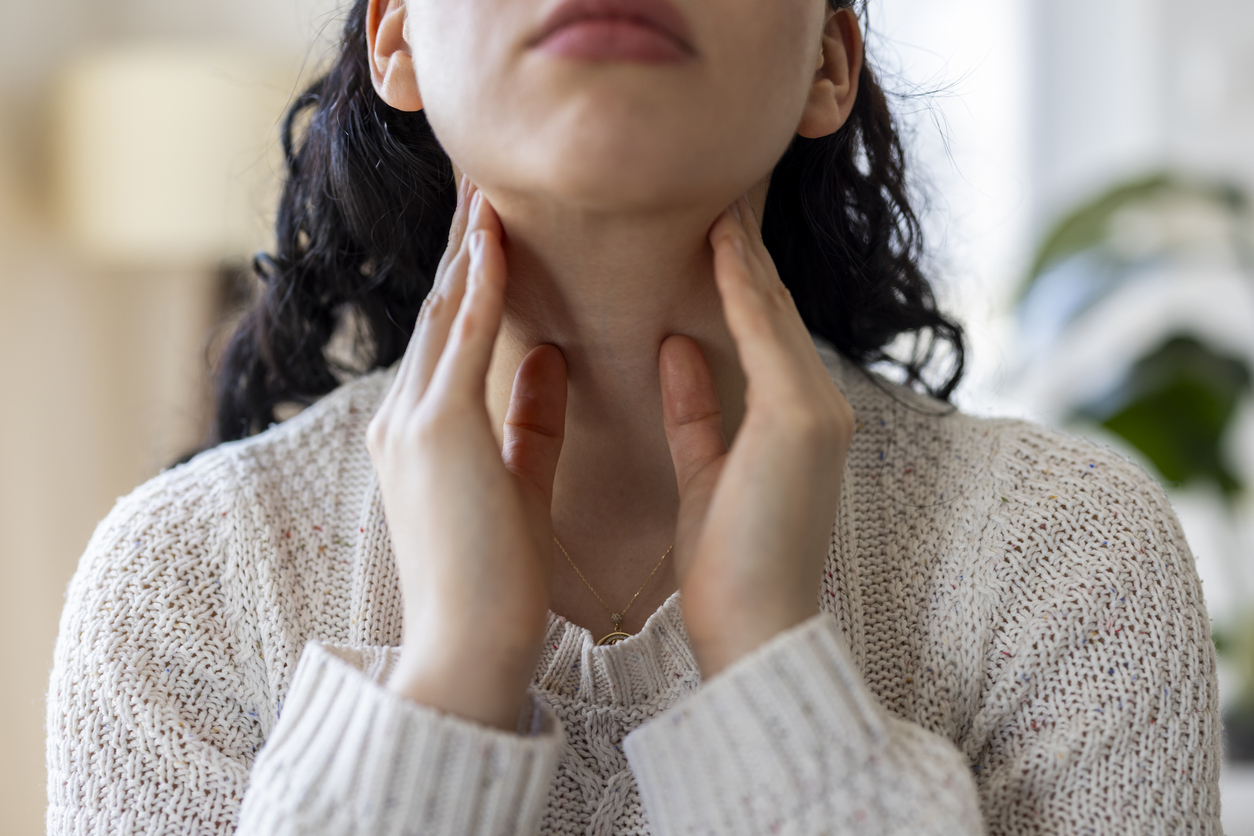
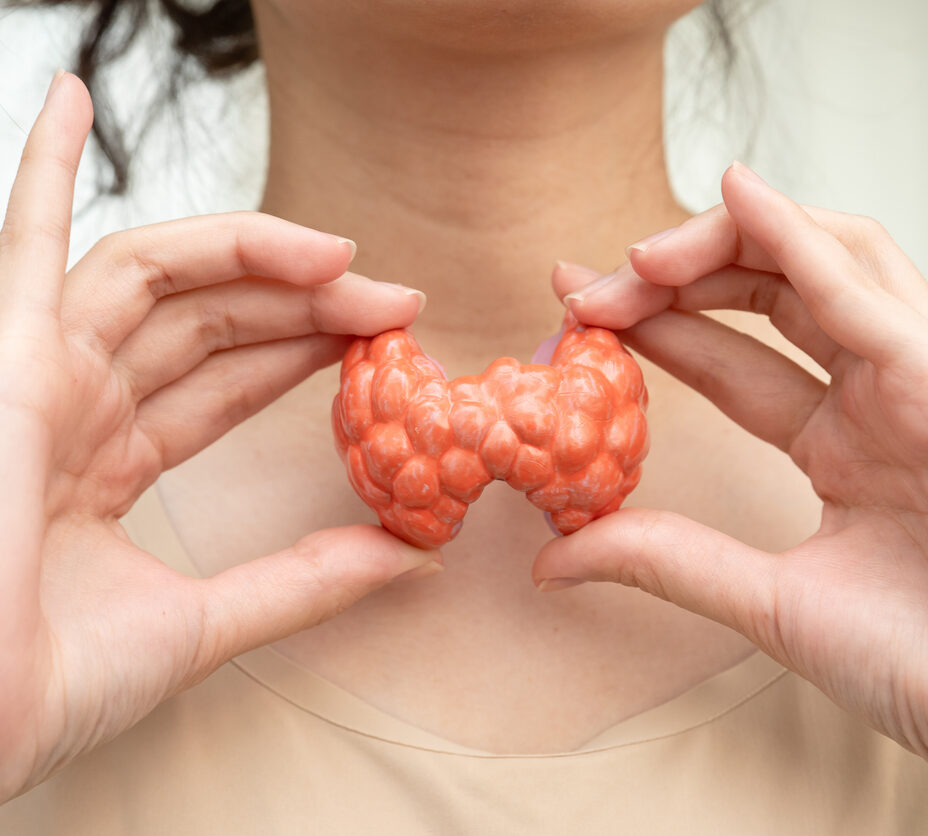
The thyroid is a small, butterfly-shaped gland in the front of your neck, and it has an outsized job: the hormones it makes set the pace for how your whole body uses energy. When it runs low on hormone, everything slows down, and that is hypothyroidism. When it makes more than the body needs, everything speeds up, and that is hyperthyroidism. Thyroid disorders also include autoimmune conditions such as Hashimoto’s and Graves’ disease, along with structural changes such as thyroid nodules. Because thyroid hormone reaches nearly every organ, the symptoms can be surprisingly broad, which is a big part of why these conditions are so easy to miss.
Who Treats Thyroid Problems?
Often your primary care doctor is the first to spot an abnormal TSH and start treatment, and for plenty of people that is all that is needed. It is worth stepping up to an endocrinologist when your results stay off, when symptoms linger despite medication, or when a nodule turns up on an exam or scan. At that point a thyroid specialist can take a closer look at your labs, order the right imaging, and fine-tune your plan.
Thyroid Symptoms to Watch For
Thyroid symptoms depend on whether the gland is underactive or overactive, and they tend to build gradually, so it is easy to chalk them up to stress or a busy stretch of life. These are the patterns we look for:
- Hypothyroidism (underactive): fatigue, weight gain, feeling cold when everyone else is comfortable, dry skin, constipation, thinning hair, low mood, and heavier or irregular periods.
- Hyperthyroidism (overactive): weight loss, a fast or irregular heartbeat, anxiety or restlessness, a fine tremor, feeling too warm, trouble sleeping, and more frequent bowel movements.
- With either one: shifts in energy, mood, or metabolism, and sometimes swelling or a lump in the neck.
Hypothyroidism and Hashimoto’s Disease
Hypothyroidism simply means the thyroid is not making enough hormone, and in the United States its most common cause is Hashimoto’s disease, an autoimmune condition in which the immune system slowly dials down thyroid function. It is one of the conditions we treat most often, and it is very manageable. Most people feel well again on a daily dose of thyroid hormone, usually levothyroxine, with periodic TSH checks so we can adjust the dose until your energy and your labs are both where they should be.
Hyperthyroidism and Graves’ Disease
Hyperthyroidism is the opposite problem: the thyroid makes more hormones than the body needs, and the most common cause is Graves’ disease, another autoimmune condition. Because an overactive thyroid puts real strain on the heart, this is one we like to address promptly. Depending on the cause and how active the gland is, treatment may involve medication to calm hormone production, and in some situations other therapies. We walk you through the options that fit your labs, your symptoms, and your life.
Understanding Your TSH levels
One TSH result rarely tells the whole story, so we pay attention to the trend over time, add T4 or T3 testing when the picture calls for it, and keep adjusting treatment until your numbers and the way you actually feel finally line up.
Levothyroxine and Thyroid Medication
Levothyroxine is the standard treatment for hypothyroidism. It is a once-daily tablet that gently replaces the hormone your thyroid is not making enough of, and for most people it restores energy and steadies the numbers within a few weeks to a few months. If you are already taking levothyroxine and still do not feel like yourself, or your TSH keeps drifting out of range, that is worth a closer look. Very often the fix is a small adjustment to the dose, the timing, or how the medication is absorbed.

Thyroid nodules: are they serious?
Thyroid nodules are lumps within the thyroid gland, and they are common, especially as we get older. The reassuring part is that the large majority are benign and never cause any trouble. Because a small number does need a closer look, it is worth having any nodule evaluated. We typically assess one with an ultrasound and thyroid function tests, and when it is warranted, a simple needle biopsy, then recommend either watchful monitoring or treatment based on what we find.
Thyroid and your metabolic health
Because thyroid hormone influences weight, cholesterol, and energy, thyroid problems often travel alongside other metabolic concerns. When thyroid and blood sugar questions show up together, we manage them side by side and coordinate with our diabetes management team, so nothing is treated in isolation and your care stays connected.
Ongoing Support Between Visits With Upperline Plus
A lot of life with a thyroid condition happens between appointments. Through Upperline Plus, a connected care team works alongside the doctors you already see. They help coordinate your care, follow up on medications and lab results, and answer questions by phone or telehealth. It is not a separate program or a new set of doctors. It is an extra layer of support that comes with the care you already receive.
What to Expect at Your First Thyroid Visit
Your first visit is really just a conversation. It helps to bring any recent labs, especially a TSH, a list of your medications, and a note of the symptoms you have noticed. Your provider will listen, review your history and your results, explain what is going on in plain language, and, if needed, order additional blood work or a thyroid ultrasound. You will leave with a clear plan and a follow-up to make sure it is working.
Meet our Endocrinology Team
Every one of our endocrinologists treats the full range of thyroid conditions as part of their everyday practice. They are board-certified physicians who take the time to know you, not just your chart, and who coordinate easily with the other specialists on your care team.
| Provider | Title | Clinic locations | Profile |
| Sohail Ali, MD | Endocrinologist | Altamonte Springs, FL | View Profile |
| Matthew Crabtree, DO | Endocrinologist | Bowling Green, KY | View Profile |
| George Grunberger, MD | Endocrinologist | Bloomfield Hills, MI | View Profile |
| Amer Kassar, MD | Endocrinologist | Valparaiso, Hobart, Munster IN | View Profile |
| Mahek Kermalli, MMS, PA-C | Physician Assistant | Altamonte Springs, FL | View Profile |
| Anjana Myneni, MD, FACE | Endocrinologist | Bloomfield Hills, MI | View Profile |
| Amy Tobin, DO, FACE | Endocrinologist | Bloomfield Hills, MI | View Profile |
Endocrinology Clinics Near You
Our endocrinology teams care for patients across Florida, Indiana, Kentucky, and Michigan, and we stay connected between visits no matter where you live. Choose your area to see clinics, book a visit, and meet the providers who care for your community.
Locations closest to
Frequently Asked Questions
A thyroid doctor is called an endocrinologist. Endocrinologists diagnose and treat every kind of thyroid condition, and some focus specifically on thyroid care.
Endocrinologists are the specialists who diagnose and treat thyroid disorders, including hypothyroidism, hyperthyroidism, Hashimoto’s disease, Graves’ disease, and thyroid nodules. Primary care doctors often start treatment for straightforward cases and refer to an endocrinologist when results stay abnormal or a nodule is found.
Yes. Hypothyroidism, including Hashimoto’s disease, is one of the conditions endocrinologists treat most often. It is usually managed with daily thyroid hormone replacement such as levothyroxine, along with periodic TSH checks to fine-tune the dose.
It is a good idea to see an endocrinologist when your TSH is repeatedly abnormal, when a thyroid nodule is found, when hypothyroid or hyperthyroid symptoms persist despite treatment, or when your primary care doctor refers you for specialty evaluation.
An underactive thyroid (hypothyroidism) often causes fatigue, weight gain, feeling cold, dry skin, and low mood. An overactive thyroid (hyperthyroidism) tends to cause weight loss, a fast or irregular heartbeat, anxiety, tremor, and feeling too warm. Swelling or a lump in the neck can show up with either one.
A common TSH reference range is roughly 0.4 to 4.0 mIU/L, though it varies by lab and life stage. A high TSH usually means an underactive thyroid, and a low TSH usually means an overactive one. Your endocrinologist reads TSH together with your symptoms and your other thyroid hormones.
Levothyroxine is the standard medication for hypothyroidism. It is a once-daily tablet that replaces the thyroid hormone your body is not making enough of, and the dose is adjusted based on your TSH and how you feel.
Most thyroid nodules are benign and never cause symptoms. Because a small number need a closer look, endocrinologists evaluate them with an ultrasound, thyroid function tests, and, when it is warranted, a needle biopsy, then recommend monitoring or treatment.
Ready to Feel Like Yourself Again?
Our endocrinology specialists are here to support you, if you need a second opinion, are adapting to a new diagnosis, or are seeking better results from your current thyroid medication, contact us.