

Circulatory Disease: Why Your Feet May Be the First Place You Notice It
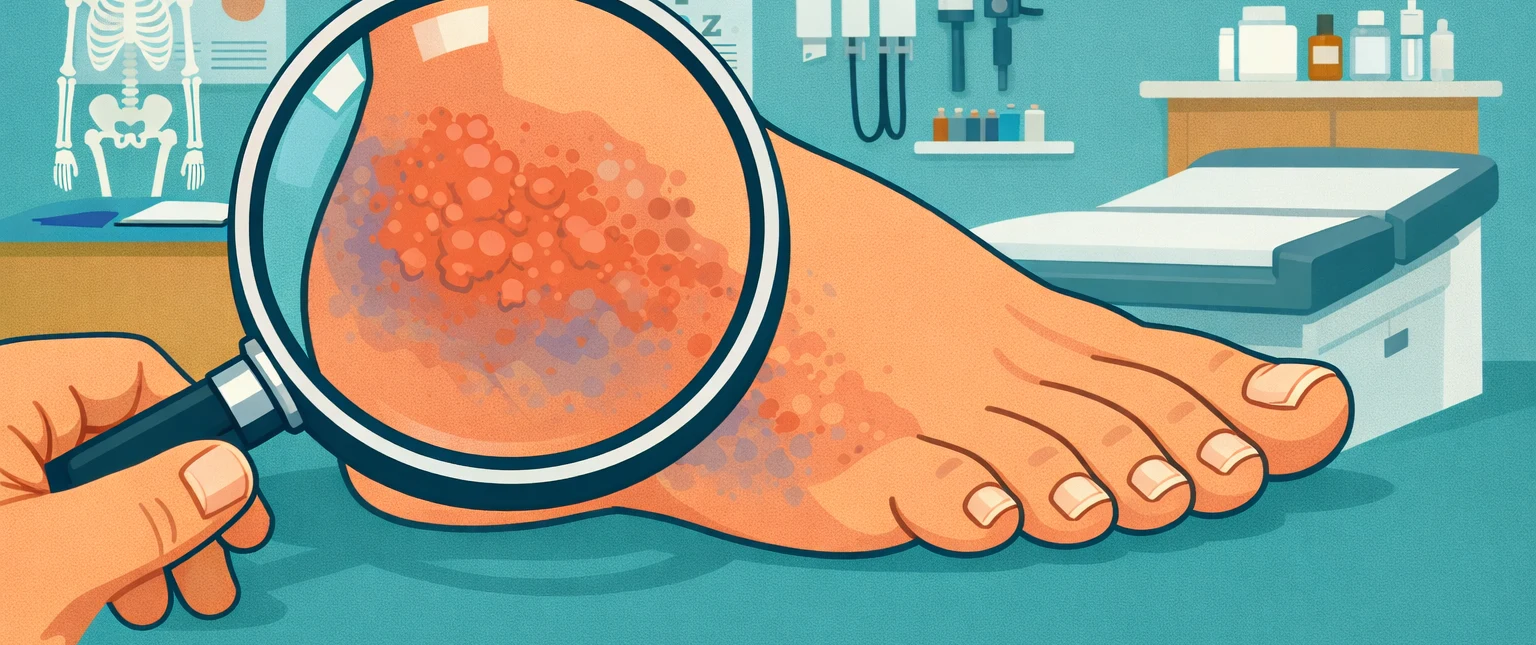
“Circulatory disease” is a broad term for issues that affect how blood moves through your body. When blood flow is reduced, tissues don’t get the oxygen and nutrients they need. Over time, that can lead to pain, slow-healing wounds, infections, and serious complications.
Your legs and feet are often where circulatory problems show up first. That’s because they’re farthest from your heart, and they handle a lot of work every day. If you’ve noticed changes in your feet or legs, don’t ignore them. Getting checked early can help you protect your health and keep moving.
How common is circulatory disease and what does it cost?
Circulatory problems in the legs are extremely common in the U.S., and they create a major burden for patients and the healthcare system.
Chronic venous insufficiency (CVI) is a condition where leg veins struggle to move blood back toward the heart. A review published in Seminars in Vascular Surgery reported that CVI affects more than 25 million adults in the United States, with more than 6 million experiencing advanced stages of venous disease. The same review notes that total care costs are estimated at more than $3 billion per year.
Peripheral artery disease (PAD) happens when arteries (often due to plaque buildup) narrow and limit blood flow to the legs and feet. A study using the U.S. National Inpatient Sample identified 286,160 hospitalizations for PAD in 2014 and estimated an annual hospitalization cost burden of about $6.31 billion.
These numbers are a big reason to take your symptoms seriously. The earlier circulatory disease is found, the more options you have to manage it and avoid major problems.
5 common causes of circulatory disease
Many circulatory diseases share similar root causes. Genetics and age can play a role, but these 5 causes are some of the most common drivers you can act on:
1
Atherosclerosis – plaque buildup in arteries
Plaque can narrow arteries and reduce blood flow to the legs and feet, which is a key driver of PAD.
2
Diabetes
Diabetes can damage blood vessels over time and also reduce sensation in the feet. That combination makes it easier to miss injuries and harder for wounds to heal.
3
Smoking – current or past
Smoking damages blood vessels and speeds up plaque buildup. It also reduces oxygen delivery, which slows healing.
4
High blood pressure and high cholesterol
Both hypertension and elevated cholesterol put stress on blood vessels and increase the risk of artery narrowing.
5
Inactivity and excess weight
Not moving enough can weaken circulation in the legs. Extra weight can also raise pressure in leg veins, worsening swelling, and vein problems.
Top 5 signs of circulatory disease
Circulatory disease doesn’t always start with “big” symptoms. Often, it begins with small changes that are easy to brush off. Here are five warning signs to watch for:
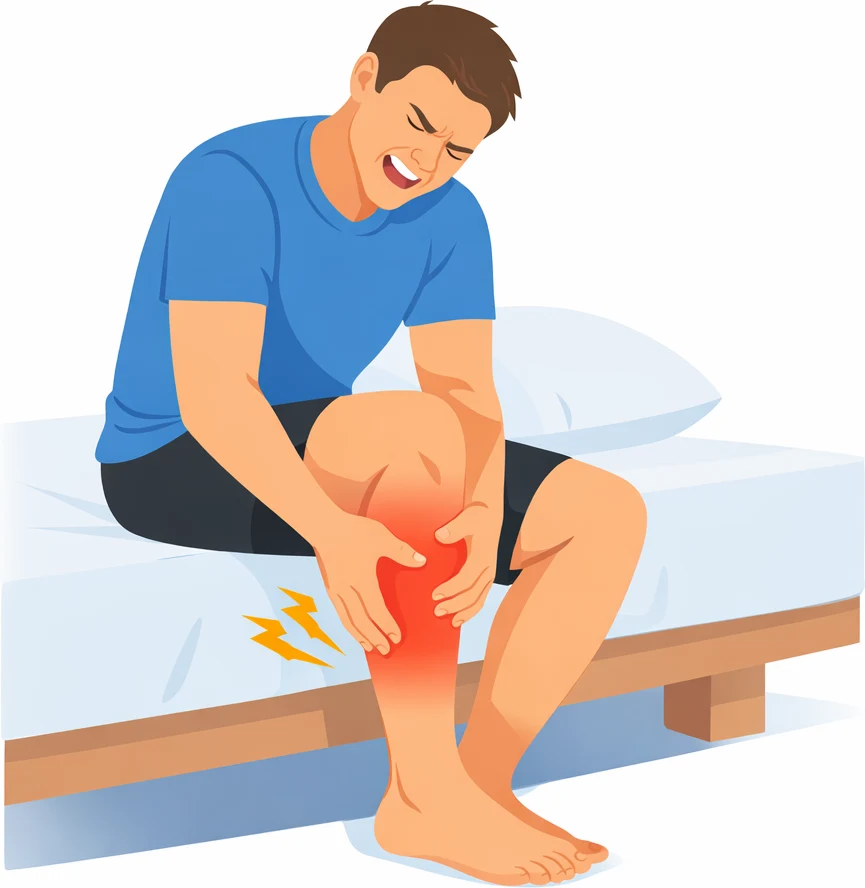
Leg pain or cramping when walking
If your calves, thighs, or buttocks ache during walking but feel better after rest, that can be a classic PAD symptom.
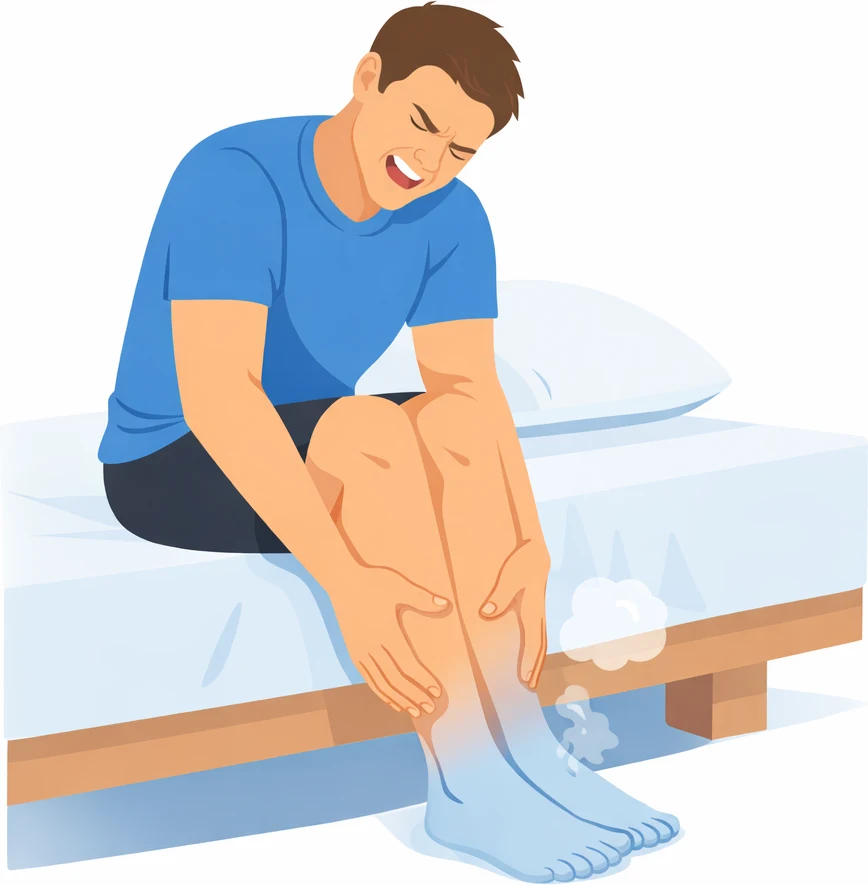
Cold feet or one foot colder than the other
Reduced blood flow can make feet feel cold, especially compared with the other side.
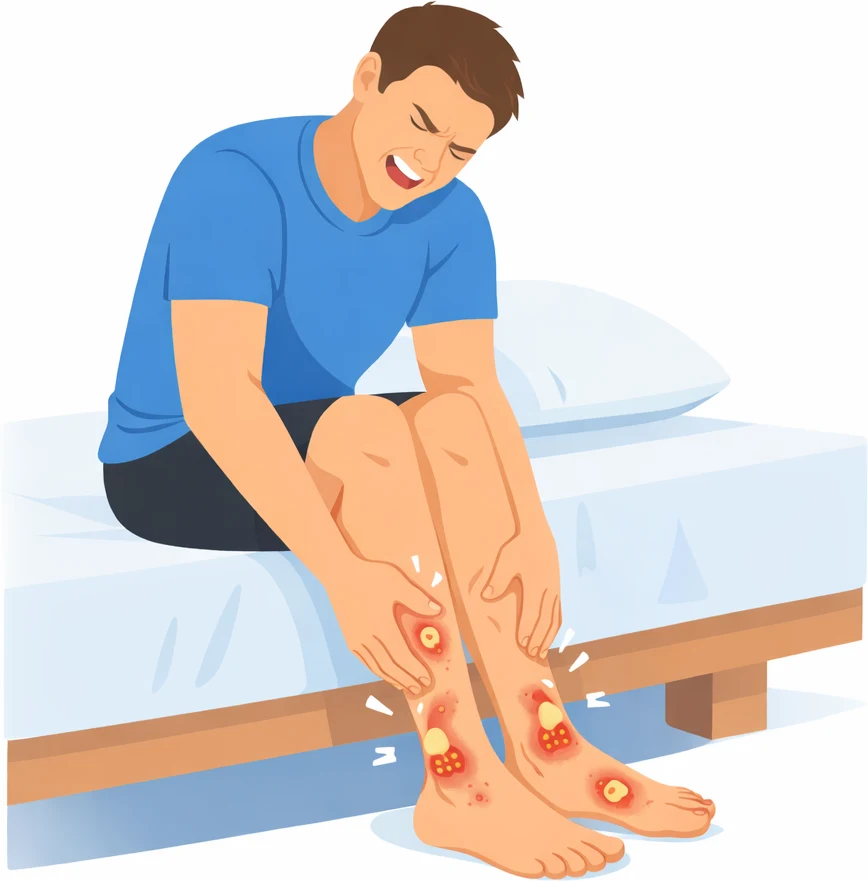
Slow-healing sores, blisters, or ulcers on the feet or ankles
If a wound is taking a long time to heal, that’s a major red flag for circulation problems.
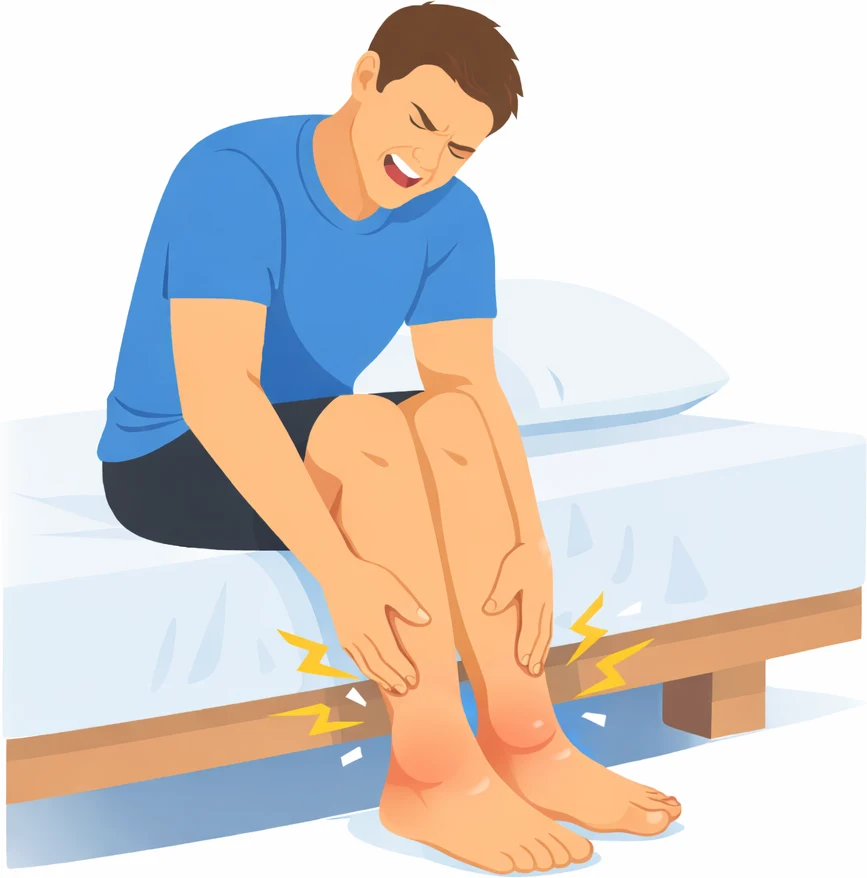
Swelling in the lower legs, ankles, or feet
Persistent swelling can point to venous disease like CVI—especially if it worsens after standing.
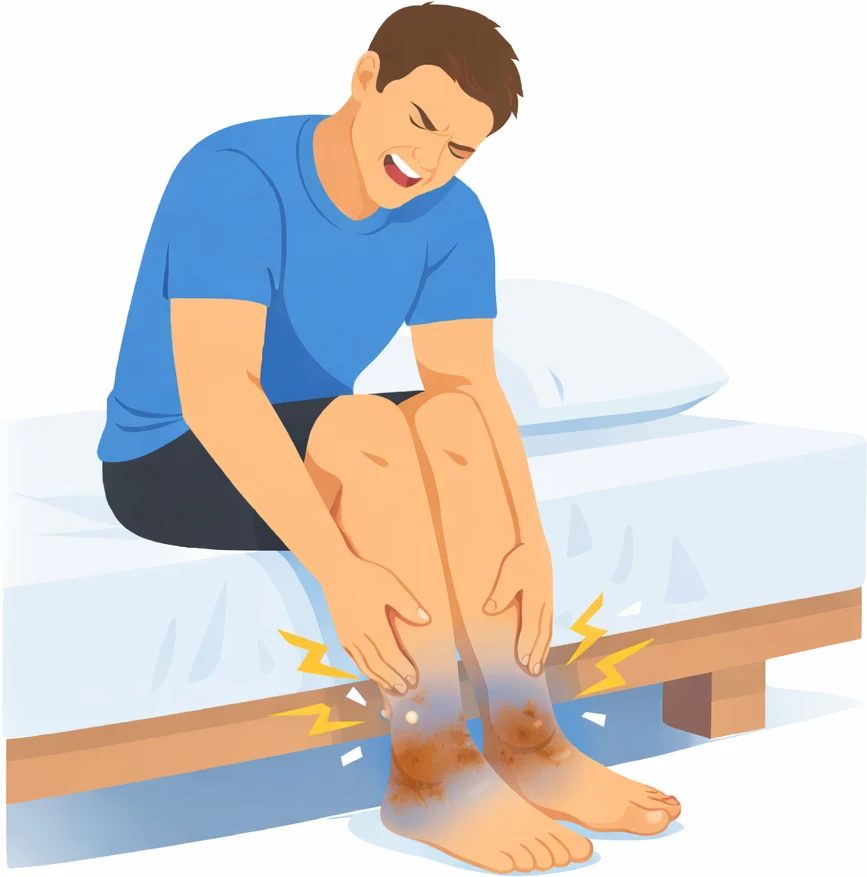
Skin changes
Watch for skin that looks shiny, thin, discolored (bluish, pale, or dark/brown staining near the ankles), or for hair loss on the legs and feet. These can be signs that blood flow is not what it should be.
If you have any of these symptoms—especially if you also have diabetes, smoke, or have a history of heart disease—don’t “wait and see.”
Circulatory disease can progress quietly.
How Upperline Health podiatric physicians evaluate circulatory disease
Upperline Health Podiatric Physicians focus on the health of your feet and lower legs, which makes their care a key part of catching circulatory problems early. While every patient’s visit is different, an in-clinic evaluation often includes:
- A detailed symptom and health history
Your Podiatric Physician may ask about any pain you have with walking and any swelling, numbness, smoking history, diabetes, blood pressure, cholesterol, and any past vascular issues. - A thorough foot and leg exam
This includes checking skin color and temperature, looking for wounds or pressure points, and examining nail and skin health. - Pulse checks and circulation screening
Your physician may check pulses in your feet and assess capillary refill (how quickly blood returns after pressing on the skin). - In-office, noninvasive circulation testing (when appropriate)
Many Upperline Health clinics use tools like Doppler assessments and may recommend or perform tests such as an ankle-brachial index (ABI) or related vascular studies to compare blood flow in the legs to the arms. - Imaging or referral when needed
If there are signs of PAD, CVI, or a non-healing wound, your podiatric physician may coordinate additional testing (like ultrasound studies) and collaborate with vascular specialists when appropriate.
How Upperline staff help patients manage circulatory disease
Managing circulatory disease usually takes a team approach. Alongside your podiatric physician, clinic staff can help support day-to-day steps that make a real difference, such as:
- Foot checks and prevention planning
Learning what to look for at home like skin cracks, blisters, redness, and hot spots and how often to check—especially if you have diabetes. - Wound care support
If you have a sore or ulcer, wound care plans often include cleaning, dressings, pressure offloading, and frequent follow-up to track healing. - Compression and swelling management (when appropriate)
For venous disease, compression can be a powerful tool. Staff can help educate you on safe use, fit, and daily routines to relieve swelling. - Shoe and pressure-point guidance
When circulation is limited, proper footwear can reduce friction and pressure that lead to wounds. - Lifestyle coaching and care coordination
Walking programs, smoking cessation support, and coordination with your primary care provider or specialists can all be part of your care plan.
Small steps, done consistently, can help you stay active and reduce risk.
Don’t wait until symptoms get “bad”
Circulatory disease can worsen over time, and in the legs and feet, waiting too long can turn a small issue into a serious one. If you’re noticing leg pain when walking, swelling, color changes, or slow-healing sores, take it as a sign to get evaluated. Don’t end up in the hospital with a major limb event. An appointment now can prevent bigger problems later.

Ready to get checked?
If you think you may have signs of circulatory disease, or if you have diabetes and want to stay ahead of complications, call Upperline Health or schedule an appointment with a clinic near you. A quick evaluation can give you clarity, a care plan, and the peace of mind you deserve.
Don’t let symptoms linger. Get checked, get answers, and keep your feet healthy.
About the Author

Dr. Sohail Siddiqui earned his Doctor of Podiatric Medicine (DPM) degree from the Scholl College of Podiatric Medicine at Rosalind Franklin University of Medicine and Science in North Chicago, Illinois. He completed a comprehensive residency at Geisinger Community Medical Center in Scranton, Pennsylvania, under the mentorship of Dr. Guido LaPorta. Dr. Siddiqui is a member of the American Podiatric Medical Association and an associate of the American College of Foot and Ankle Surgeons.
Dr. Siddiqui is committed to delivering the highest quality care by prioritizing conservative treatment options before considering surgery. He treats every patient with respect and strives to provide timely, cost-effective care. When surgery is necessary, he stays current with the latest techniques and medical literature to ensure the best possible outcomes. Outside of work, he enjoys reading, traveling, soccer, cricket, exploring new cuisine, and spending time with his family. Born and raised in Dubai, he maintains a strong connection to the region and also considers himself a “techie” who enjoys learning about and using new technology.
Dr. Siddiqui is available for appointments at the following location:
Upperline Health – Altamonte Springs
247 Maitland Avenue
Altamonte Springs, Florida 32701
Latest Posts
- Understanding Gout: What’s Really Going On
by Timothy Barry, DPM - Beyond the Exam Room: Whole-Person Care and the Heart Behind Upperline Plus Social Work
by Upperline Health - “At-Risk Foot Care?” A Frequently Asked for Service
by Dr. Mark Davids
Top Blog Topics
- Podiatry (41)
- Conditions (33)
- Provider Advice (32)
- Healthy Habits (17)
- Surgery (9)
- Injuries (7)
- Provider Spotlight (7)
- Surgical Alternatives (7)
- Company News (6)
- Sports Medicine (5)
- Pediatrics (4)
- Elder Advice (3)
- Vein Conditions (3)
- Running (2)
- Upperline Plus (2)
- American Podiatric Medical Association (1)
- Nurse Support (1)
- Social Work (1)
- Wound Care (1)
Blog Archives