
Trail Running vs. Road Running – What Your Feet Need to Know

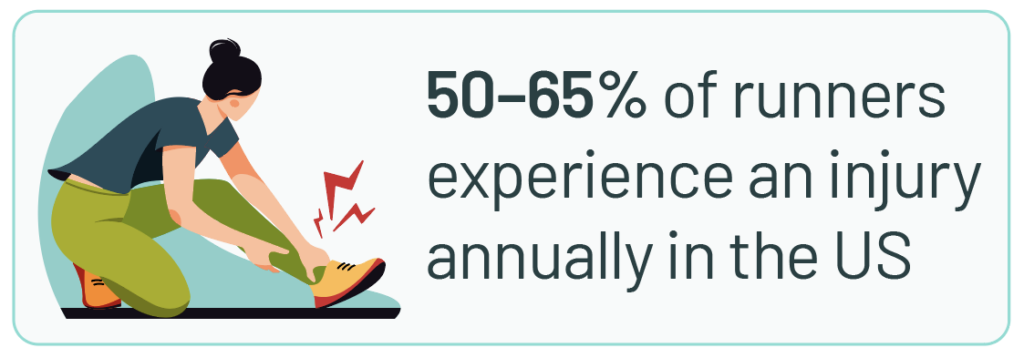
If you’re a runner dealing with foot pain, you’re far from alone—and more importantly, you have options. Running remains one of the most popular forms of exercise in the United States, with an estimated 48 million Americans participating each year. At the same time, it’s also one of the most injury-prone activities, with 50–65% of runners experiencing an injury annually, most often due to overuse. From a podiatric physician’s perspective at Upperline Health, these numbers tell a clear story: running itself isn’t the problem—it’s how, where, and how often you run that determines whether your body thrives or breaks down.
For runners whose feet are hurting, one of the most impactful changes you can make is reconsidering your running environment. The choice between trail running and road running may seem like a preference issue, but in reality, it has direct implications for how your feet, ankles, knees, and even your back absorb stress.
Road Running
Road running is the most familiar and accessible form of running. Sidewalks, streets, and tracks provide a flat, predictable surface that allows runners to maintain a steady pace and consistent stride. From a performance standpoint, this efficiency is a major advantage. However, that same consistency is also where problems begin. When your foot strikes the ground in the same way, on the same surface, thousands of times per run, small inefficiencies in your gait become magnified. Over time, that repetitive stress can lead to common conditions like plantar fasciitis, Achilles tendonitis, shin splints, and runner’s knee.
Another factor with road running is impact. Hard surfaces like concrete and asphalt do very little to absorb force, which means more of that stress travels up through your body. If your biomechanics are even slightly off—whether due to foot structure, muscle imbalances, or improper footwear—that force must go somewhere. Often, it shows up as pain in the feet, knees, or lower back.
Trail Running
Trail running, on the other hand, introduces variability. Uneven terrain, softer surfaces, and constant changes in elevation force your body to adapt with every step. From a podiatric standpoint, this variability can actually be beneficial. Softer surfaces like dirt and grass reduce impact forces, while the need for balance and stabilization activates smaller muscles in the feet and ankles that are often underused during road running. For some runners, especially those dealing with chronic overuse injuries, this shift can relieve stress and improve overall function.
However, trail running is not without its own challenges. The same uneven terrain that builds strength also increases the risk of acute injuries like ankle sprains or falls. It requires greater coordination and muscular control. Runners who transition too quickly from road to trail without building the necessary strength often trade one type of injury for another.
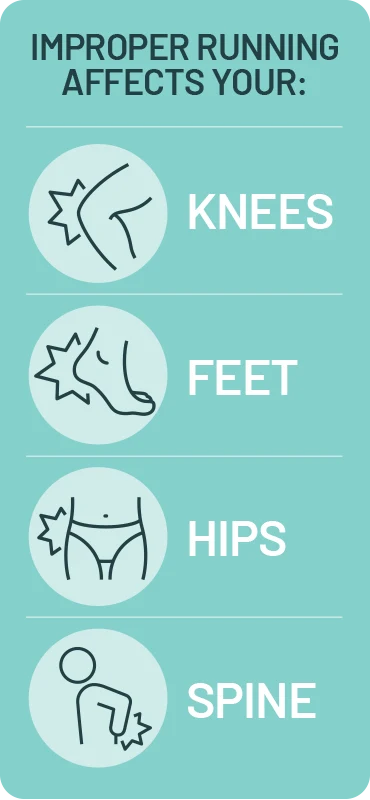
When runners come into our clinics at Upperline Health with pain, the root cause is rarely just the surface they’re running on. In fact, research shows that 70–80% of running injuries are related to overuse, often compounded by poor mechanics or training errors. We commonly see pain concentrated in the foot and ankle complex, which makes sense given that this is the first point of contact with the ground. But what many runners don’t realize is how quickly those issues can cascade upward, affecting the knees, hips, and spine.
That’s why treatment isn’t just about addressing symptoms—it’s about identifying and correcting the underlying cause. A comprehensive evaluation often includes a detailed gait analysis, an assessment of foot structure, and a review of training habits. In some cases, custom orthotics are used to redistribute pressure and improve alignment. In others, the focus is on strengthening and mobility work to correct imbalances. Often, one of the most effective interventions is simply modifying how and where a patient runs.
For runners whose pain is driven by repetitive impact, incorporating trail running can reduce stress and allow tissues to recover. For those with instability or a history of ankle injuries, sticking to more predictable surfaces while building strength may be the better initial approach. The key is understanding that there is no one-size-fits-all solution—only what works best for your body.
Prevention plays an equally important role. Many running injuries develop not because of a single event, but because the body isn’t adequately prepared for the demands being placed on it. A proper warm-up that includes dynamic movement, mobility work, and muscle activation can significantly reduce injury risk. Strengthening the glutes, calves, and intrinsic foot muscles is particularly important, as these areas are responsible for absorbing shock and maintaining alignment during each stride. Without that support, stress is transferred to passive structures like ligaments and joints, increasing the likelihood of pain.
Avoiding pain also requires a thoughtful approach to training. Sudden increases in mileage or intensity are one of the most common triggers for injury. Alternating between road and trail surfaces can help reduce repetitive loading patterns, while appropriate footwear ensures that your body is supported based on the terrain you’re running on. Perhaps most importantly, runners need to listen to early warning signs. Pain is not something to push through—it’s an indication that something isn’t functioning correctly.
This is where working with a podiatric physician becomes a critical part of a runner’s long-term plan. At Upperline Health, we take a whole-person approach to care, recognizing that foot health doesn’t exist in isolation. The way your foot strikes the ground affects your knees, your hips, and your spine. Left unaddressed, even minor issues can lead to patterns that create more complex problems over time.
For runners considering a change, the decision between trail running and road running shouldn’t be based solely on preference—it should be guided by what your body is telling you. Road running offers consistency and efficiency, but it can amplify repetitive stress. Trail running reduces impact and builds strength, but it demands greater control and awareness. In many cases, the best solution is not choosing one over the other, but finding the right balance between the two.
If your feet are hurting, it’s not the end of your running journey—it’s a signal to adjust your approach. With the right evaluation, proper preparation, and a plan tailored to your body, running can remain a sustainable and rewarding part of your life. And in many cases, it starts with understanding what your feet need to know.
Latest Posts
- Diabetes Management: Coordinated Care Between Endocrinologist and Podiatrist
by Upperline Health - Integrating Mental Health and Chronic Care for Better Outcomes
by Upperline Health - The Role of Comprehensive Primary Care in Preventive Health
by Upperline Health
Top Blog Topics
- Podiatry (42)
- Conditions (35)
- Provider Advice (34)
- Healthy Habits (21)
- Surgery (9)
- Provider Spotlight (8)
- Injuries (7)
- Sports Medicine (7)
- Surgical Alternatives (7)
- Company News (6)
- Diabetes Management (6)
- Upperline Plus (5)
- Pediatrics (4)
- Chronic Care (3)
- Elder Advice (3)
- Running (3)
- Vein Conditions (3)
- Endocrinology (2)
- Nurse Support (2)
- American Podiatric Medical Association (1)
- Social Work (1)
- Wound Care (1)
Blog Archives