

Beyond the Exam Room: Whole-Person Care and the Heart Behind Upperline Plus Social Work
March is National Social Work Month — a time to recognize and celebrate the professionals who show up every day to support people through some of life’s most challenging moments.
At Upperline Health, whole-person care goes beyond treating foot and ankle conditions — it means addressing every factor that shapes a patient’s health and quality of life. The Upperline Plus social work team plays a vital role in ensuring patients receive comprehensive support that extends well beyond the exam room. From connecting patients with essential community resources and coordinating caregiver support, to providing clinical and behavioral health services that address mental health, emotional adjustment, and coping skills, the ULP social work team works tirelessly to remove barriers to care and strengthen each patient’s engagement in their health journey. Whether it’s helping a patient navigate housing concerns, access food resources, plan for end-of-life care, or work through the emotional challenges of a chronic illness, our social work team is committed to meeting patients where they are — ensuring no one faces their health challenges alone.
The Heart Behind the Work: Meet Katrina Brooks, MSW, LCSW, CCM
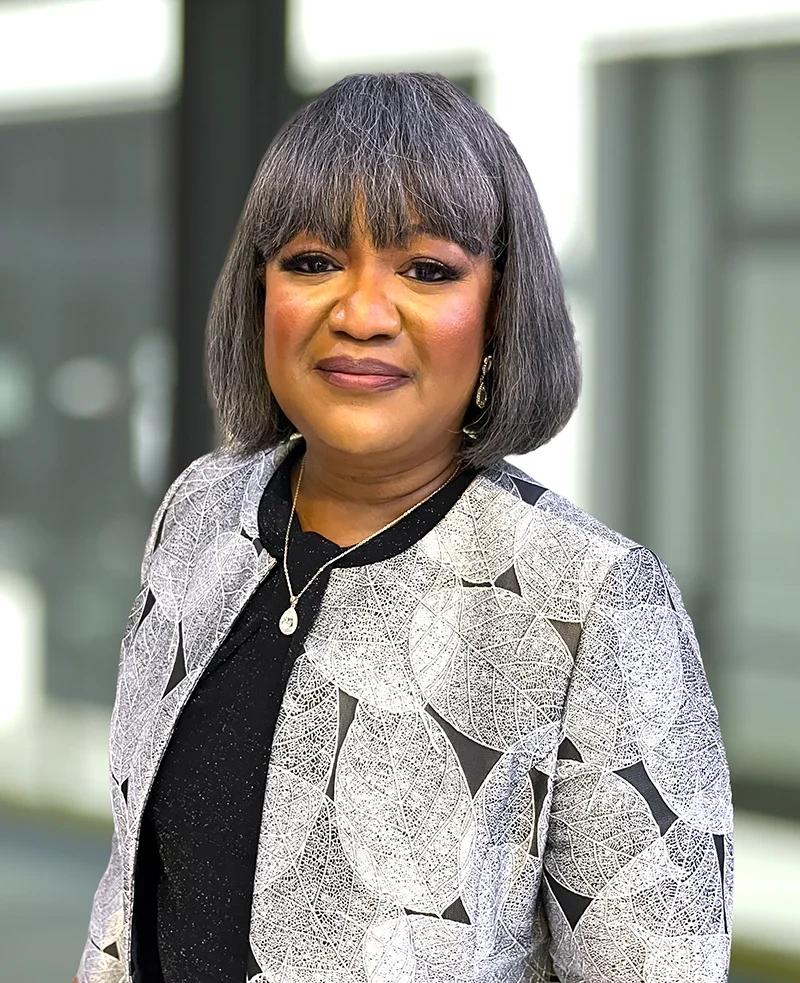
Katrina Brooks brings a wealth of knowledge, experience, and heart to the Upperline Plus care team. A proud alumna of Tuskegee University in Tuskegee, Alabama, where she earned her Bachelor of Social Work, and Tulane University in New Orleans, Louisiana, where she earned her Master of Social Work, Katrina’s academic foundation is as impressive as her professional journey. She is a Licensed Clinical Social Worker licensed across five states — Florida, Georgia, Alabama, South Carolina, and Kentucky — and holds certification as a Certified Case Manager (CCM). Her professional background spans hospital case management, dialysis, home health and hospice, insurance company-based case management, and primary care settings, giving her a uniquely broad and deep perspective on patient care. Katrina joined the Upperline Health family on October 7, 2024, and has already proven to be an invaluable member of the team.
When asked what inspired her to pursue a career in social work, Katrina’s answer is as genuine as the work she does every day. “It may sound cliche, but I wanted to help people,” she shares. “I have always been drawn to people’s stories and situations — especially the parts they have a tendency not to share with anyone.” For Katrina, getting to the core of a problem is where true healing begins. It’s that belief — that sitting with someone in their most difficult moment and helping them find a way forward is one of the most meaningful things a person can do — that has shaped her entire approach to care.
The patients Katrina works with often carry more than one burden at a time. Financial stress, relationship conflict, mental health challenges, histories of trauma, health concerns, and limited support systems are just some of the complex, layered issues her patients navigate daily. Her role is to help them untangle those layers, build coping skills, and connect with the resources they need to move forward. “By exploring context, trauma, relationships, and systemic barriers while building coping skills and access to resources,” Katrina explains, “patients feel supported and empowered — which increases engagement and strengthens resilience.”
Upperline Plus social workers help patients navigate the real-life barriers to health — from housing and food access to emotional support and caregiver coordination — so patients never face their health challenges alone.
For Katrina, success in this work doesn’t always look the way people might expect. “Success is not always dramatic,” she says. “Most of the time, it is as subtle as a patient setting a boundary for the first time or showing up consistently for counseling sessions even when it gets hard, or choosing to pause and reflect instead of reacting in anger.” She measures impact through a patient’s increased self-awareness, improved emotional regulation, and their growing ability to tolerate life’s stressors without becoming overwhelmed. “Success happens when patients recognize that change is not only possible, but within their reach.”
One story that speaks to the quiet but profound nature of her work involves a woman who was the primary caregiver for her chronically ill — and emotionally abusive — husband. Worn down by years of mistreatment and the added pressure of adult children at home, she came to therapy feeling completely depleted. About two months into consistent sessions, something began to shift. She started setting boundaries. She began calmly calling her husband out when he spoke to her disrespectfully and stopped immediately complying with every demand. The changes were subtle, but powerful. “At one point she laughed and said, ‘They don’t like the new me,'” Katrina recalls, “but she was proud of herself.” Watching that woman move from feeling stuck and worn down to confident and self-assured is exactly the kind of moment that reminds Katrina why this work matters.
On the harder days, Katrina leans on a truth she has come to know well — that progress is rarely straightforward, and much of this work is about planting seeds that take time to surface. “The trust that patients place in me keeps me motivated,” she says. “Being invited into someone’s story is a responsibility I don’t take lightly, and that sense of partnership and purpose keeps me committed.”
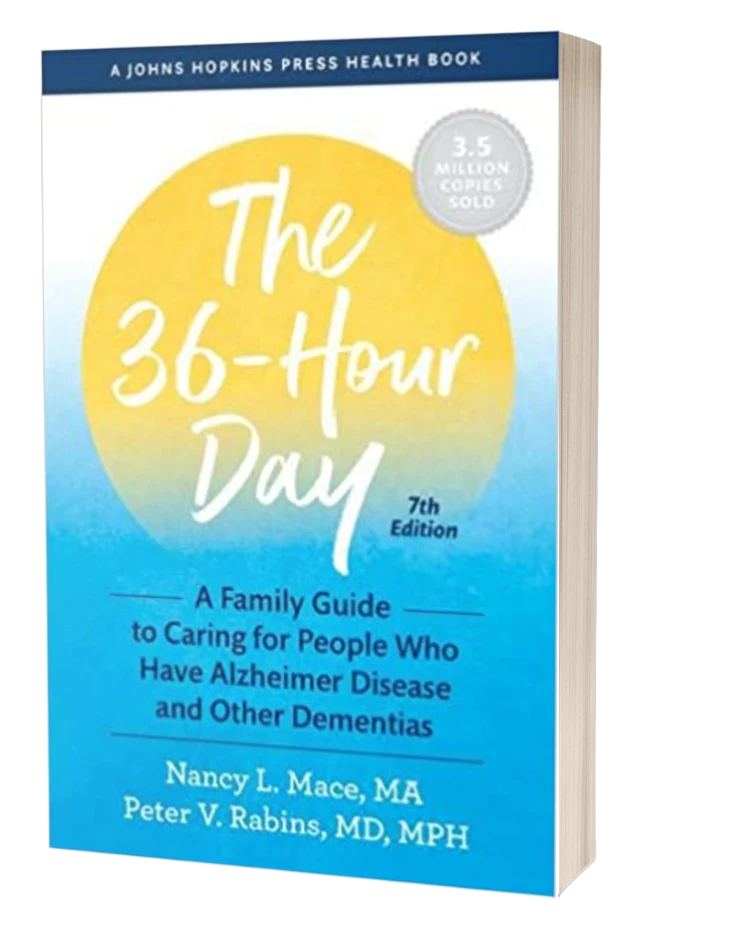
That sense of purpose extends beyond the office as well. Katrina is currently reading The 36-Hour Day by Nancy L. Mace and Peter V. Rabins, a powerful resource on caregiving for those with Alzheimer’s dementia — a book she finds valuable both personally and as a resource she can share with the families she serves. It’s a small but telling detail about who Katrina is: someone who is always learning, always looking for ways to show up more fully for the people in her care.
When asked about the best advice she’s ever received, Katrina doesn’t hesitate. A mentor early in her career told her, “You can’t pour from an empty cup.” It’s a lesson that reshaped how she thinks about boundaries, self-care, and sustainability in the field.”Preventing burnout and compassion fatigue isn’t selfish — it’s necessary for longevity and quality care.” It’s a philosophy that not only keeps Katrina grounded, but ensures her patients always receive the best version of her.
And if she could sit down for coffee with anyone? Michelle Obama — a woman she admires deeply for navigating immense scrutiny with grace, staying rooted in her values, and leading with clarity and purpose. “I would want to learn how she sustains confidence, protects her peace, and continues to lead with purpose despite the challenges that come with being in the spotlight.” It’s easy to see a little of that same spirit in Katrina herself.
At Upperline Health, we are grateful to have a team of incredible social workers like Katrina Brooks as a cornerstone of our Upperline Plus care team — bringing compassion, clinical expertise, and an unwavering commitment to the whole-person care our patients deserve. This National Social Work Month, we celebrate Katrina and all our social workers for their dedication, their strength, and the countless lives they impact every single day.
Latest Posts
- Understanding Gout: What’s Really Going On
by Timothy Barry, DPM - Beyond the Exam Room: Whole-Person Care and the Heart Behind Upperline Plus Social Work
by Upperline Health - “At-Risk Foot Care?” A Frequently Asked for Service
by Dr. Mark Davids
Top Blog Topics
- Podiatry (41)
- Conditions (33)
- Provider Advice (32)
- Healthy Habits (17)
- Surgery (9)
- Injuries (7)
- Provider Spotlight (7)
- Surgical Alternatives (7)
- Company News (6)
- Sports Medicine (5)
- Pediatrics (4)
- Elder Advice (3)
- Vein Conditions (3)
- Running (2)
- Upperline Plus (2)
- American Podiatric Medical Association (1)
- Nurse Support (1)
- Social Work (1)
- Wound Care (1)
Blog Archives